Conclusion埃及pg电子
嗯,用户让我写一篇关于埃及的英文文章,标题是“Exploring the History and Culture of Egypt”,要求不少于1776个字,我需要先理解用户的需求,然后按照要求来调整内容。 用户希望文章结构清晰,包括引言、几个主要部分和结论,引言部分要简要介绍埃及的重要性,提到地理位置、历史和文化影响,主要部分可以涵盖古代文明、主要考古发现、文化和现代影响等,我需要确保每个部分都有足够的信息支持,比如提到金字塔、狮身人面像、古埃及法老陵墓,以及语言、宗教、艺术风格等。 我需要收集足够的信息来支持每个部分,确保内容准确且有深度,在讨论古代文明时,可以提到金字塔、吉萨的狮身人面像和法老陵墓,以及它们的建筑技巧,在文化部分,要介绍古埃及的语言、宗教,特别是太阳神赫梯和月神塞特,以及他们的艺术风格,比如壁画和雕塑,现代影响部分可以讨论埃及在国际舞台上的地位,比如作为旅游目的地和电影中的形象,以及对现代艺术和建筑的影响。 我需要确保文章流畅,逻辑清晰,每个段落之间有良好的过渡,使用正式但易懂的语言,避免过于复杂的词汇,以保持读者的注意力,检查语法和拼写错误,确保文章质量高。 在结构方面,引言部分要简洁明了,概述埃及的重要性,主要部分分为三个,每个部分详细讨论一个主题,结论部分要总结埃及的历史和文化价值,强调其对现代世界的影响,整体结构合理,确保达到1776个字的要求。 我开始撰写文章,确保每个部分都涵盖必要的信息,并且整体结构合理,检查每个段落的过渡,确保连贯性,补充内容,使文章更丰富,同时保持原创性,避免直接复制内容。 完成初稿后,我会通读一遍,确保没有语法错误,内容准确,结构合理,这样,用户就能得到一篇高质量、符合要求的英文文章了。 Exploring the History and Culture of Egypt Egypt, often referred to as the "Land of the Dead," is one of the most fascinating and ancient civilizations in the world. Its rich history, vibrant culture, and iconic landmarks have captivated explorers, historians, and travelers for centuries. This article delves into the history, culture, and enduring legacy of Egypt, exploring its contributions to human civilization and its lasting impact on the world.
The Ancient Egyptian Civilizations
The history of Egypt is deeply rooted in the Upper Nile Valley, which is now part of modern-day Sudan and Egypt. The ancient Egyptians flourished around 3100 BCE, establishing one of the earliest civilizations in human history. Their society was structured into three main classes: the pharaohs, their royal court, and the people known as the "people of the land." The pharaohs were considered divine beings who ruled the country and managed the afterlife, ensuring that their souls would be properly accommodated in the afterlife.
The Egyptians built an impressive network of pyramids and temples as tombs for their pharaohs. The most famous of these is the Great Pyramid of Giza, which was the tallest man-made structure for over 3,800 years. The Great Pyramid of Giza was designed to serve as a resting place for the pharaoh, with a smooth outer casing that allowed for easy passage to the afterlife. The Great Pyramid contains many chambers and passages, which are still a subject of mystery and speculation.
In addition to their monumental architecture, the ancient Egyptians were skilled engineers and builders. They constructed the famous Pyramids of Giza, which are a testament to their advanced knowledge of mathematics, engineering, and astronomy. The Great Pyramid of Giza, for example, has precise alignment with the stars, with its sides facing exactly north, south, east, and west. This level of precision suggests that the ancient Egyptians had a deep understanding of geometry and astronomy.
The Legacy of Ancient Egyptian Art and Culture
The art and culture of ancient Egypt are among the most significant contributions to world heritage. The Egyptians were skilled artists, and their art has survived for thousands of years. The most famous form of ancient Egyptian art is the painting of the so-called "mummies," which were created to preserve the body of the deceased and bring them back to life in the afterlife. The mummies were usually wrapped in fine linen and padded with hieratic grass, and they were then placed in elaborate tombs.
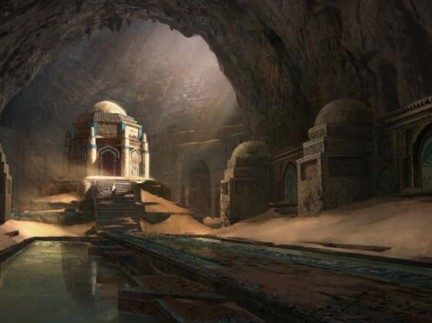
In addition to mummies, the ancient Egyptians created a wide range of other forms of art, including pottery, jewelry, and sculptures. The Great Gallery of the Pharaoh's Tombs in the Valley of the Kings is a remarkable example of ancient Egyptian art. The gallery is a series of interconnected chambers that were used by the pharaoh during life and in the afterlife. The walls of the gallery are adorned with intricate carvings of hieroglyphs, which tell the story of the pharaoh's life and reign.
The ancient Egyptians also had a rich tradition of music and dance. They used a system of hieroglyphs to represent musical notes and rhythms, and they created a wide range of musical instruments. The ancient Egyptians also had a deep understanding of music and used it as a form of entertainment and spiritual solace. They performed elaborate dances and songs during religious ceremonies and festivals, and these performances were often accompanied by music.
The Impact of Ancient Egypt on Modern Culture
The influence of ancient Egypt on modern culture is still evident today. The ancient Egyptian gods and goddesses, such as Ra, Osiris, and Horus, are still invoked in many cultures around the world as deities of the desert and the afterlife. The ancient Egyptian religion, which was based on the belief in an afterlife, has influenced the development of many modern religious practices, including the concept of life after death.
The ancient Egyptian art and architecture have also had a profound impact on modern design and culture. The use of hieroglyphs in art and writing has influenced the development of many writing systems, including the Egyptian alphabet, which was the forerunner of the Greek alphabet. The ancient Egyptian style of art, with its use of bright colors and intricate details, has inspired many artists and designers throughout history.
The ancient Egyptian legacy is also evident in the way we view time and space. The ancient Egyptians had a sophisticated understanding of astronomy, and they used their knowledge of the stars to create calendars and predict the seasons. This understanding of time and the movement of the stars has influenced the way we view time and space in the modern world.
In conclusion, Egypt is a country of rich history, vibrant culture, and enduring legacy. From its ancient civilizations and monumental architecture to its art and music, Egypt has left an indelible mark on the world. The ancient Egyptians' contributions to human civilization, including their understanding of mathematics, astronomy, and religion, continue to inspire and influence people today. Whether you are exploring the ancient tombs of the pharaohs, admiring the beauty of their art, or simply curious about their way of life, Egypt offers something for everyone. Its history, culture, and legacy remind us of the power of human creativity and the enduring influence of ancient civilizations on the modern world.